Fremont Chimney Repair
If you require rapid and reliable chimney repair in Seattle, you shouldn't dismiss red flags including damaged brickwork, dampness issues, or smoke backing into your home. Quick more info intervention guards against fire hazards and costly masonry problems common in Seattle's damp weather. Count on certified professionals for thorough evaluation, water infiltration checks, masonry repair, and moisture protection—all using code-compliant methods and safety protocols. Be preventive; routine checks and timely maintenance maintain your property's performance and construction. Find out essential advice and expert guidance to protect your chimney today.
Essential Points
Tell-Tale Signs of Chimney Damage
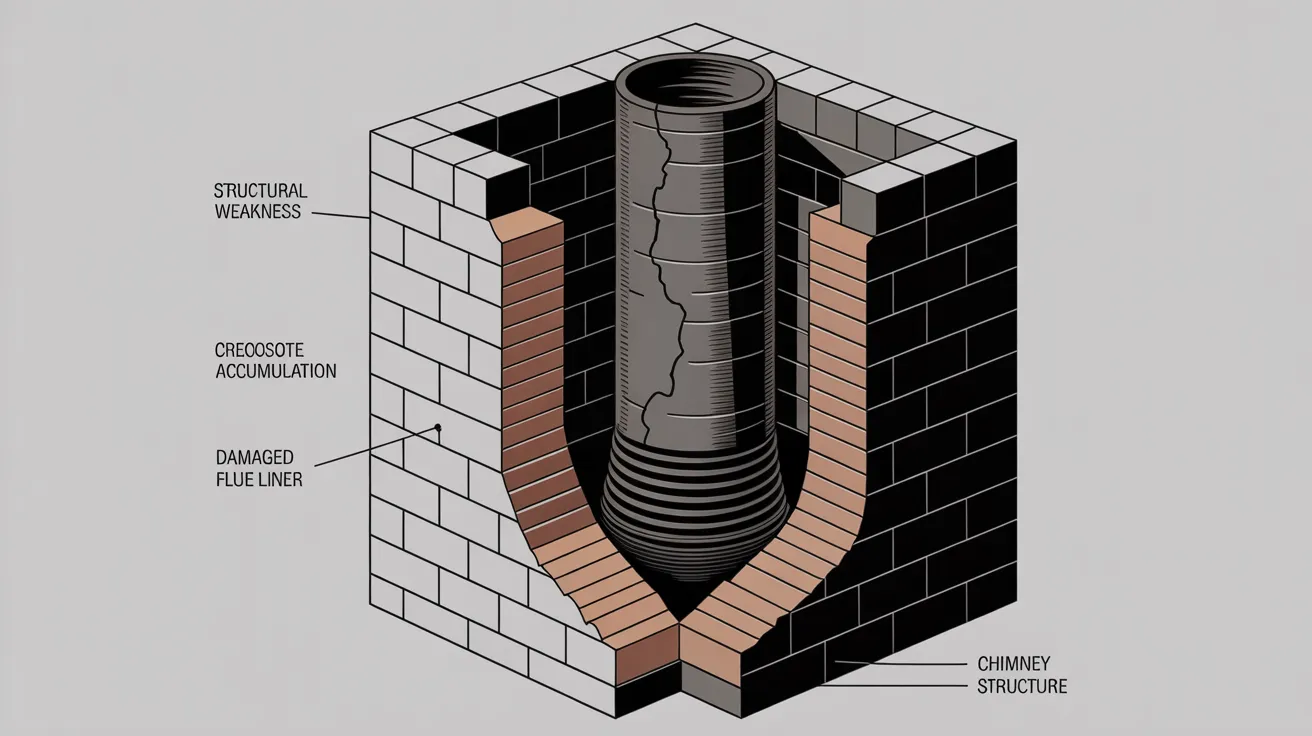
Although your chimney appears intact from the outside, certain indicators might suggest underlying problems that compromise safety and efficiency. Watch carefully for smoke entering your home, as this usually signals chimney flue obstruction or deterioration. Excessive soot accumulation on interior surfaces or at the fireplace opening suggests ventilation issues and fire hazards. You could observe a strong, persistent odor—this often means creosote or soot is building up, impeding normal ventilation. Crumbling mortar, loose bricks, or visible cracks indicate structural problems that could quickly escalate if untreated. Through careful observation of these signs, you'll preserve your chimney's safety and minimize potential dangers. Arrange for a professional assessment at the first sign of trouble.
Common Chimney Issues in Seattle Homes
Seattle's damp climate frequently accelerates chimney wear and introduces distinct upkeep problems for homeowners. Water penetration causes brick spalling, mortar deterioration, and corrosion of metal components. When regular chimney maintenance is overlooked, creosote and soot build up rapidly due to the area's persistent precipitation and cool temperatures, elevating the threat of obstruction and fire dangers. You might also spot efflorescence—white staining—on your chimney, signaling water infiltration. Deteriorated or lacking chimney caps let in precipitation and debris, further compromising structural integrity.
A comprehensive flue inspection is vital because continuous moisture breeds mold and weakens the flue liner, creating hazards for venting exhaust and gases. Tackling these common issues with regular chimney cleaning and detailed flue inspection maintains your Seattle home's chimney safe and efficient.
Understanding the Urgency of Chimney Maintenance
Addressing chimney concerns in a timely manner helps you to prevent costly structural damage that could impact your home's integrity. You'll additionally lower fire risk by clearing hazards including creosote buildup and masonry cracks. Immediate repairs ensure your chimney operates efficiently, boosting both indoor comfort and energy efficiency.
Preventing Structural Damage
As water seeps into your chimney structure, it speeds up masonry damage, compromises joint integrity, and threatens the chimney's stability. Left untreated, small cracks expand, allowing more water penetration and leading to major repair expenses or even structural failure. Periodic cleaning helps you spot these issues promptly, eliminating debris that can trap moisture against internal surfaces. Examining and servicing your flue lining is crucial, as damaged linings leave brickwork vulnerable to destructive elements and further water infiltration. By responding immediately, you avoid freeze-thaw cycles from causing bricks to spall and joint deterioration. Tackling early signs of wear eliminates the need for major reconstruction later. Prioritize professional assessments to ensure your chimney's durability, safety, and performance for years. Prompt attention safeguards your home's structure and security.
Minimizing Fire Hazards
Should your chimney display structural damage, crumbling mortar, or loose bricks, it can quickly become a significant fire hazard. Structural defects and openings allow hazardous embers and heat to escape into surrounding combustible materials, increasing the risk of a house fire. To preserve proper chimney safety, you need immediate fixes to seal these vulnerabilities and restore the chimney's integrity. Taking care of issues promptly ensures that dangerous creosote won't build up in hidden spaces, further decreasing the risk of fire. In addition, damaged chimney liners can permit toxic gases to leak into your home, compounding safety risks. Never delay for simple problems to grow; immediate, professional service is crucial for proper fire safety and lasting security in your Seattle home.
Optimizing Home Efficiency
Even though chimney damage typically seems minor in the beginning, even minor defects or openings can substantially affect your home's energy performance. When your chimney is damaged, conditioned air escapes, forcing your climate control system to operate longer. This not only raises your energy costs but furthermore puts unnecessary strain on your heating and cooling equipment. Timely chimney fixes, combined with periodic chimney maintenance, guarantees your fireplace operates at peak efficiency and prevents costly energy waste.
If you're thinking about installing a new fireplace, you need to address current chimney concerns. Deteriorating masonry or faulty flue liners may affect the performance of modern fireplaces, decreasing their cost-saving potential. When you repair your chimney promptly, you'll ensure a comfortable indoor environment, realize lower energy costs, and maintain your home's systems operate safely and efficiently.
The Chimney Repair Process Explained
You'll start with an in-depth assessment and inspection to identify any structural or safety concerns in your chimney. Once the issues are pinpointed, you can choose the most effective repair methods, from brick repair to flue liner replacement. Every phase focuses on the safety and structural integrity of your home.
Assessment and Damage Inspection
A comprehensive inspection and damage assessment is essential for a safe and effective chimney repair process. A certified technician should examine your chimney thoroughly, identifying deterioration, cracks, and loose bricks. Special consideration is given to chimney soot buildup, which can conceal underlying damage and pose safety concerns. The technician will check checking for flue blockages, which could prevent proper ventilation of dangerous fumes and affect your home's air quality. Using specialized equipment and cameras, the technician will examine difficult-to-access areas, detecting signs of moisture problems, corrosion, or wildlife nests. By documenting all issues of problem areas, you'll get detailed insight of what requires attention, ensuring all repairs fix underlying issues—not just surface symptoms.
Key Repair Techniques Explained
Once the inspection reveals specific issues, the chimney repair process can proceed with specific remedies aimed to return safety and performance. Technicians typically start with thorough soot cleaning to clear out hazardous buildup and optimize airflow. Should your chimney liner be damaged, they will suggest liner repair or replacement to stop harmful fumes from entering your home and to shield masonry from heat damage. Deteriorated masonry require tuckpointing or brick replacement to ensure the chimney's structural integrity. Water-resistant applications can be used to guard against future moisture intrusion. For extensive deterioration, complete or partial reconstruction could be necessary. All repair procedures strives to resolve the root causes, ensuring your chimney continues to be safe, functional, and adherent to Seattle's building codes.
Chimney Leak Assessment and Repair Options
Even though chimney leaks often remain undetected until they create visible damage, catching problems early is crucial in avoiding major structural issues and health hazards. Be alert to key signs like water marks on walls or ceilings near your chimney, damp or musty smells, and oxidized firebox parts. Specialized chimney leak assessment involves a complete inspection of the crown, flashing, and cap to pinpoint moisture entry points. Specialists employ dedicated tools to inspect hidden leaks and structural weaknesses. Once identified, tested leak repair techniques—such as resealing flashing, installing new chimney caps, or using water sealants—can efficiently resolve the issue. By tackling leaks promptly, you'll shield your home from mold growth, deteriorating brickwork, and further moisture problems, ensuring lasting chimney durability and safety.
Masonry Repair and Brick Replacement
If you notice cracked, spalling, or missing bricks on your chimney, immediate repair work is crucial to maintain structural integrity and prevent hazardous conditions. Deteriorating brick and mortar let water seep in, resulting in swift degradation and potential collapse. You should seek a qualified mason to assess the extent of damage, verifying that the appropriate restoration procedures are used. During repair work, technicians methodically extract deteriorated units, find matching materials for your chimney, and apply professional-grade mortar for a perfect restoration. This thorough procedure not only enhances aesthetic quality but also protects from further structural issues. Don't delay addressing these issues—tackling repairs promptly will extend your chimney's lifespan and maintain household safety from related hazards.
Professional Chimney Cap and Crown Services
The chimney cap and crown serve as your chimney's essential protection against water penetration and animal entry, their condition greatly influences your home's safety and the system's durability. When the cap becomes compromised, missing, or deteriorated, water could penetrate down the flue, causing interior deterioration and possible mold issues. A secure, correctly positioned chimney cap also blocks animals, debris, and pests from clogging your venting system. The chimney crown safeguards the top of your masonry, defending bricks and mortar from weather damage and erosion. Damage or deterioration in the crown allow moisture to seep in, threatening structural integrity. Regular inspections and prompt maintenance of both the chimney cap and chimney crown help maintain you keep a safe, efficient, and durable chimney system.
Choosing the Best Chimney Maintenance Professional
Finding a reputable chimney repair service provider demands thorough evaluation of qualifications, safety protocols, and technical expertise. You need to verify that the service provider maintains proper licensing, coverage, and credentials from respected industry bodies. Inquire about their experience with both chimney servicing and complex venting configurations to verify they can address your system's particular needs. Specialists must follow current safety regulations, use protective equipment, and follow strict protocols to avoid incidents or fire dangers. Evaluate their performance by verifying testimonials and reviewing customer testimonials emphasizing dependability and competence. It's also crucial to verify that they utilize industry-approved products and approaches for all repairs. By focusing on these elements, you'll guarantee your chimney repair work is executed properly, effectively, and to the highest technical standards.
Important Chimney Care and Maintenance Tips
Make sure to get routine chimney inspections to detect safety hazards and structural problems early on. Stop creosote accumulation by maintaining suggested cleaning schedules and using exclusively well-dried wood. It's also essential to implement suitable waterproofing and sealing to protect your chimney from Seattle's regular precipitation.
Regular Chimney Inspections
Although many homeowners often overlook it, scheduling regular chimney inspections is crucial for preserving a secure and effective fireplace system. It's important to have your chimney checked once every year by a certified professional who can spot structural issues, blockages, or signs of wear. Regular checks are crucial in guaranteeing safe operation by revealing potential issues before they worsen. A comprehensive inspection will additionally assess if a cleaning service is required to remove debris or obstructions that could impede proper ventilation. Certified technicians utilize professional instruments and video technology to examine the chimney structure and components, offering a thorough analysis. By prioritizing regular inspections, you'll protect your home from potential hazards, increase your chimney's longevity, and keep your fireplace operating at peak efficiency.
Preventing Creosote Buildup
A few essential preventative maintenance actions can significantly reduce the risk of creosote buildup inside your chimney. Stick to burning well-dried hardwood, as it generates less smoke and reduces residue. Ensure your fireplace damper is fully open during operation to maximize airflow, which supports efficient combustion and minimizes creosote formation. Plan professional chimney maintenance at least once a year—creosote removal by a certified technician is vital to prevent dangerous accumulations. Check your firebox and flue frequently for early signs of buildup, such as dark, tar-like deposits. Address these swiftly to avoid a serious fire hazard. Avoid overloading the firebox or burn unapproved materials, as both can increase creosote buildup. Implementing these guidelines will help keep your chimney more efficient and safer.
Waterproofing and Sealing
How does water infiltration seriously impact your chimney's structural integrity? As moisture penetrates your masonry, it can cause rapid deterioration, spalling brick, and rusting of metal components. Dampness breaks down mortar connections and creates an ideal environment for destructive freeze-thaw cycles, threatening the whole structure. To avoid these expensive problems, prioritize proper waterproofing and sealing.
Commence with a thorough examination for openings or fissures that could allow water infiltration. Following this, apply a high-quality sealant treatment specially formulated for chimneys—avoid using standard water repellents, as they might retain moisture. Make sure the sealant is vapor-permeable, allowing the chimney to "breathe" while blocking rain seepage. Routinely apply sealant every few years to preserve maximum protection. This preventative step prolongs your chimney's life and keeps your home secure.
Scheduling Your Chimney Inspection and Repair
Don't wait for damage to worsen or safety concerns to escalate, schedule your chimney inspection and repair with a certified professional. A certified specialist will inspect the complete setup, detecting any safety issues such as venting problems or pressing maintenance needs. Never postpone these crucial services—soot buildup or blockages can quickly become fire hazards or cause dangerous carbon monoxide to leak into your home.
Book your annual chimney maintenance, or following severe weather events, to verify your chimney's structural integrity and proper function. During the evaluation, technicians use specialized tools to check all chimney components, providing clear advice for any necessary maintenance work. By staying proactive, you'll prevent costly damage, preserve proper air quality, and maintain your heating system runs efficiently throughout the season.
Frequently Asked Questions
What is the Typical Cost of Chimney Repair in Seattle?
When planning chimney repair in Seattle, you should expect to pay anywhere from $300 for simple repairs to $3,000 or more for extensive repairs. You should schedule a chimney inspection first—experts will spot potential problems and verify safe operation. Chimney cleaning typically costs $150–$350 and might expose maintenance requirements. Make sure to use certified technicians; they'll apply appropriate materials and methods to maintain home safety and maintain optimal fireplace performance.
Are Permits Required for Seattle Chimney Repairs?
Don't assume permits are only needed for big construction projects! In Seattle, it's required to have a permit for the majority of chimney repairs, specifically those that include structural changes or masonry work. Even routine chimney cleaning and inspection services must follow compliance with local codes to ensure safety. Be sure to contact Seattle's Department of Construction and Inspections, because bypassing required permits may cause big headaches, unsuccessful assessments, or dangerous situations for your property and loved ones.
Can You Use Your Fireplace During Ongoing Repairs?
You shouldn't use your fireplace during ongoing repairs. To maintain fireplace safety, always wait until all repair work is finished and properly inspected. Using the fireplace during repairs can expose you to safety hazards, dangerous fumes, or structural failures. Maintain clear communication with your contractor concerning repair scheduling and check when it's safe to start using. Focusing on safety guarantees your fireplace to operate safely and efficiently and safeguards your home and family.
Is Chimney Repair Included in Homeowners Insurance Coverage?
Consider insurance coverage as an umbrella—it will protect you from unforeseen disasters, but not regular deterioration. Your home insurance policy might pay for chimney repair if the damage stems from an insured event, such as storm damage or fire. It won't cover issues from poor upkeep or time-related deterioration. To start the claim process, document the damage thoroughly and notify your insurance provider right away. Keep safety first by having a certified professional evaluate your chimney's condition.
What's the Expected Timeline for a Standard Chimney Repair?
A standard chimney repair usually requires between one and three days, according to the amount of damage found during your chimney inspection. For small-scale masonry repairs, you'll experience shorter turnaround times. Major restoration projects, such as rebuilding sections, may take longer. You must prioritize safety by arranging a professional inspection initially, as this ensures all safety and structural concerns are completely assessed before any masonry restoration or other repairs begin.
Summary
Don't wait until your living room looks like something out of Seattle's own version of "Old Faithful"—with water and soot erupting from your neglected chimney. The indicators are clear, the dangers are obvious, so grab your phone instead of a mop. Focus on safety and efficiency by scheduling a professional inspection right away. With expert hands and careful attention, you'll preserve your home dry, your air clean, and your chimney from starring in its own disaster film.